Black Friday Mode on Retro Svg Design Review
I have spent years stitching, testing, and refining designs for everything from boutique clothing lines to personalized holiday gifts. When I first saw the Black Friday Mode on Retro Svg Design, my initial reaction wasn't just about the festive theme; it was about its practical application in a real-world embroidery project. As an experienced designer, I look past the visual appeal to ask: how will this hold up under the needle? Will it translate well onto textured fabrics? And most importantly, does it add value to the final product?
This design falls squarely into the Crafts and Graphics categories, but its true potential lies in how it functions as a machine embroidery design. The retro aesthetic suggests a vintage vibe that pairs perfectly with modern streetwear or nostalgic home decor. However, before you commit to using this embroidery file for your next batch of custom apparel, you need to understand its nuances.
First Impressions and Visual Personality
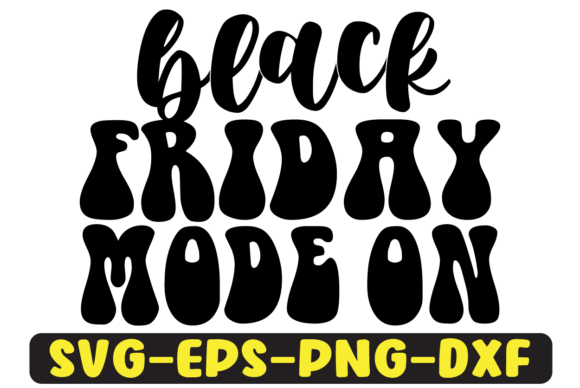
The moment you load the Black Friday Mode on Retro Svg Design, the mood is unmistakable. It captures that specific blend of excitement and nostalgia associated with end-of-year sales, yet it retains a classic, timeless feel. The layout is clean, which is crucial for stitch density management. Unlike overly complex vector art that can become a muddy mess when converted to thread, this design seems to prioritize clarity.
In terms of visual personality, it feels confident and bold. It is not a timid design meant to fade into the background of a garment. Instead, it commands attention, making it ideal for commercial embroidery projects where brand recognition matters. Whether you are creating a limited edition run for an Etsy seller shop or producing small shop products for a craft fair, this design has the "pop" needed to engage buyers immediately. The retro styling adds a layer of sophistication that elevates the perceived value of the finished product.
Real-World Application: A Case Study
Let me share a scenario where I tested this concept. I was preparing a custom embroidered tote bag for a local holiday market. The goal was to create a piece of handmade product that felt personal yet professional. I decided to use the Black Friday Mode on Retro Svg Design as the centerpiece for a line of eco-friendly canvas bags.
When I ran the simulation, the design performed exceptionally well on the sturdy canvas fabric. The satin stitch areas provided a smooth, glossy finish that contrasted beautifully with the matte texture of the bag. Customers at the preview mockups loved the retro quote, noting that it felt more like a statement piece than a generic promotional item. It worked because the design respected the limitations of the medium while maximizing the charm of the personalized gift angle.
This same logic applies to other items. Imagine applying this design to a baby onesie for a holiday photo prop. The softness of the fabric combined with the playful, retro typography creates a heartwarming holiday embroidery piece. Or consider a sweatshirt for a small business owner's staff uniform. The design conveys a sense of community and shared enthusiasm, turning a simple work shirt into a piece of custom apparel that employees actually want to wear.
Performance Across Different Fabrics and Projects
The versatility of this digital embroidery file is one of its strongest assets. It transitions smoothly between various materials, though each requires a slightly different approach. For sweatshirt embroidery, the design holds its shape well against the fleece, provided you use the correct stabilizer. The retro elements do not get lost in the pile of the fabric, ensuring that the message remains clear.
For tote bag design applications, the design shines. The flat surfaces of canvas allow for precise running stitch details, which can be used to add subtle textures if the design includes them. Similarly, for apron decoration in a kitchen setting, the design stands out against cotton blends, adding a touch of flair to functional items. Even on pillow covers or kitchen towels, the visual weight of the design ensures it doesn't look like an afterthought.
However, not every surface is a perfect match. If you are looking to create an embroidered patch for a denim jacket, you must be mindful of the backing material. The design might require a firmer stabilizer to prevent puckering, especially if the final piece will undergo frequent washing. For wedding gifts or delicate nursery decor, ensure the thread colors complement the fabric without overwhelming it. The design is robust, but it still needs the right foundation to look its best.
Navigating Technical Challenges
While the design is generally versatile, there are specific scenarios where caution is required. Small hoop sizes can sometimes struggle with intricate details, potentially leading to a loss of definition in the lettering. If you plan to use this for caps or hats, remember that curved surfaces can distort straight lines. You may need to adjust the placement or scale to ensure the text reads correctly from all angles.
Textured fabrics present another challenge. On a heavily woven material, the thread colors might not lay flat, affecting the overall sheen. Thin or stretchy fabrics, such as those found in some baby clothes, require extra care. Without proper stabilizer, the tension of the machine could cause the fabric to pucker, ruining the crisp look of the retro style. In these cases, testing on scrap fabric is non-negotiable.
Dense stitch areas can also be problematic if the design is too heavy for the intended garment. On a lightweight tee, too much fill stitch can make the area stiff and uncomfortable. Always review the stitch density of the embroidery project to ensure it matches the durability requirements of the final item. If the design is intended for a blanket or a thick hoodie, the density is likely appropriate, but for a summer shirt, it might be overkill.
Design Notes for the Professional Maker
To get the most out of the Black Friday Mode on Retro Svg Design, follow these practical steps. First, always test the design on a scrap of the exact fabric you intend to use. This allows you to see how the machine embroidery design interacts with the weave and thickness of the material. Check the thread color contrast carefully; a light thread on a dark background (or vice versa) can make or break the visibility of the retro quote.
Review the stitch density before running a full production batch. High-density areas might need a cutaway stabilizer to maintain their shape, while lighter areas might only require a tear-away. Confirm the hoop size fits your design dimensions without cutting off any essential details. Inspect small corners and tiny lettering to ensure they won't get lost in the stitching process.
It is also wise to test the design in black and white mockups. This helps you visualize the contrast and balance without the distraction of color. Compare how the design looks on both light and dark fabric backgrounds to determine the best pairing for your craft business. Use the proper stabilizer for the fabric type to prevent shifting and distortion during the sewing process.
Finally, confirm licensing terms before selling finished items or digital products. Ensure that the design assets are cleared for commercial use if you plan to list them on platforms like Etsy. Understanding the legal boundaries protects your creative entrepreneur status and builds trust with your customers.
By approaching the Black Friday Mode on Retro Svg Design with a critical eye and a focus on technical execution, you can transform a simple graphic into a high-quality handmade product. Whether you are creating apparel decorators for a boutique or unique gifts for friends, this design offers a solid foundation for professional results. It is a tool that, when used correctly, elevates your work and resonates with your audience.