My Favorite Marine is My Husband Svg: A Designer's Review
As someone who has spent years stitching, digitizing, and reviewing embroidery files for everything from boutique clothing lines to custom family heirlooms, I approach every new download with a mix of excitement and skepticism. You want that perfect design that speaks to the heart but also stands up to the rigors of a high-speed machine and frequent washing. Today, I am putting My Favorite Marine is My Husband Svg through its paces. This isn't just about the cute quote; it is about how this specific maritime graphic translates from a digital file into a tangible, high-quality finished product.
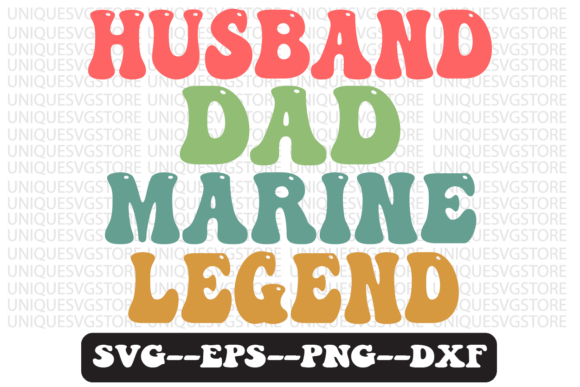
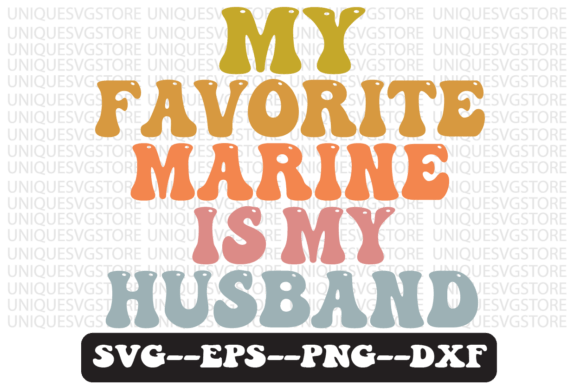
The first impression of My Favorite Marine is My Husband Svg is one of immediate nostalgia. The retro aesthetic immediately signals a specific mood: warm, supportive, and deeply personal. It feels like a design meant for a quiet coffee shop or a bustling craft fair booth rather than a sterile corporate environment. The layout suggests a balance between text and imagery that is crucial for embroidery, where space is often limited by hoop size. For an embroidery designer looking at their library, this file fits perfectly into the Crafts and Graphics categories, specifically targeting those who specialize in personalized gifts and military appreciation themes.
Real-World Application: From Screen to Stitch
Let me paint a picture of a real scenario. Imagine you are preparing a batch of custom hoodies for a local veteran support group or creating a special gift set for a spouse deployed overseas. You need something that looks professional but carries emotional weight. When I visualize My Favorite Marine is My Husband Svg on a navy blue cotton sweatshirt, the potential is clear. The retro styling allows the design to pop against darker backgrounds without feeling overwhelming.
In a practical sense, this design shines when applied to apparel like onesies for a baby shower expecting a marine mom or dad, or perhaps as a decorative patch on a durable canvas tote bag. The clean lines of the typography suggest that the satin stitch will hold up well, providing that crisp, raised texture that customers expect from quality handmade goods. However, if you plan to use this for a small business merchandise line, you must consider how the design scales. On a large pillow cover or a tea towel, the details might need to be slightly larger to ensure they don't get lost in the weave of the fabric. Conversely, on a cap, the curvature of the hat will test the limits of the lettering, requiring careful placement to avoid distortion.
Performance on Different Fabrics and Garments
Not all fabrics behave the same way under the needle. My Favorite Marine is My Husband Svg performs best on stable, medium-weight fabrics. Think of standard cotton blends for t-shirts or fleece for hoodies. These materials provide the necessary stability for the fill stitches to sit flat and look dense. If you are working with textured fabrics like heavy bouclé or loosely woven linen, you will need to be extra cautious. The intricate details of the retro style could get swallowed up by the fabric texture, making the design look muddy rather than sharp.
Stretchy fabrics present another challenge. While this design can work on jersey knits, the inherent stretch of the material can cause the embroidery to pucker over time, especially after multiple washes. To mitigate this, using a high-quality cut-away stabilizer is non-negotiable. It anchors the threads and prevents the garment from warping. For products that require frequent washing, such as aprons or kitchen towels, the density of the stitch work in this design is key. If the stitch density is too high, the fabric may become stiff and uncomfortable; if it is too low, the design may lack definition. Always check the thread colors against your fabric choice to ensure maximum contrast and visual appeal.
Navigating Potential Pitfalls
There are specific scenarios where My Favorite Marine is My Husband Svg requires a more cautious approach. Small hoop sizes are a common constraint for many home embroiderers. If the design includes fine details or tiny lettering, these elements might not render clearly in a 4x4 inch hoop. In such cases, the letters might blur together, ruining the message. Similarly, applying this to curved surfaces like baseball caps demands precision. The tension of the cap's brim can pull the design out of alignment if the digitization does not account for the curve.
Dense stitch areas should also be monitored. If the design features thick blocks of color, it can create a heavy feel on lighter garments, potentially causing the fabric to sag. For thin fabrics, the weight of the thread itself might be too much, leading to visible puckering on the reverse side. Additionally, if you are planning to sell these items on platforms like Etsy, you must ensure the design is optimized for commercial use. Many buyers look for designs that convey professionalism and durability. A poorly executed stitch job can erode customer trust instantly, regardless of how cute the quote is.
Design Notes for the Professional Maker
Before you run a single stitch, there are several technical steps every experienced designer should take. First, always test the design on scrap fabric that matches your final project material. This simple step reveals issues with thread tension, stabilizer requirements, and overall aesthetics before you commit to a saleable item. Check the thread color contrast carefully; a dark design on a light background offers a different visual impact than a light design on dark fabric, and the retro style relies heavily on this contrast to maintain its vintage charm.
Review the stitch density closely. High-density designs can look great in mockups but may fail in production if the machine struggles to push the thread through. Confirm the hoop size compatibility with your intended product. If you are creating a series of matching items, consistency is vital for brand identity. Inspect the small details in the SVG file to ensure they are not so fine that they will break during the embroidery process. It is also wise to test the design in black and white mockups to see if the composition holds up without relying on color alone.
Finally, verify the licensing terms. Whether you are producing a single personalized gift or mass-producing items for a boutique, understanding whether the digital embroidery file allows for commercial use is critical. Do not assume that a "printable" tag implies full commercial rights for embroidered goods. Ensure you have the proper permissions before listing your handmade products for sale.
Final Thoughts on Value and Appeal
My Favorite Marine is My Husband Svg offers a strong foundation for a variety of embroidery projects. Its retro vibe resonates with current trends in handmade crafts, making it a valuable asset for designers looking to create meaningful, marketable products. When executed correctly, this design elevates the perceived value of the finished product, turning a simple t-shirt or tote bag into a cherished keepsake. For the creative entrepreneur, it represents an opportunity to connect emotionally with customers while delivering a technically sound piece of art.
By paying attention to fabric selection, stabilizer usage, and stitch quality, you can ensure that this design delivers the professional results your clients expect. Whether it ends up on a holiday gift, a nursery decor item, or a piece of custom apparel, the success lies in the execution. Take the time to prepare, test, and refine, and My Favorite Marine is My Husband Svg will serve as a testament to your skill and dedication to the craft.